- Home
- Properties
- Top Cities
- Afton
- Andover
- Anoka
- Apple Valley
- Arden Hills
- Bayport
- Blaine
- Bloomington
- Brooklyn Center
- Brooklyn Park
- Burnsville
- Carver
- Centerville
- Champlin
- Chanhassen
- Chaska
- Circle Pines
- Columbia Heights
- Coon Rapids
- Cottage Grove
- Crystal
- Dayton
- Dellwood
- Eagan
- Eden Prairie
- Edina
- Falcon Heights
- Farmington
- Forest Lake
- Fridley
- Golden Valley
- Hastings
- Hopkins
- Hugo
- Inver Grove Heights
- Lake Elmo
- Lakeland
- Lakeville
- Lino Lakes
- Little Canada
- Mahtomedi
- Maple Grove
- Maplewood
- Mendota Heights
- Minneapolis
- Minnetonka
- Mound
- Mounds View
- New Brighton
- New Hope
- Newport
- North Oaks
- North Saint Paul
- Oak Park Heights
- Oakdale
- Orono
- Plymouth
- Prior Lake
- Ramsey
- Richfield
- Robbinsdale
- Rogers
- Rosemount
- Roseville
- Saint Louis Park
- Saint Paul
- Saint Paul Park
- Stillwater
- Vadnais Heights
- Victoria
- Wayzata
- West Saint Paul
- White Bear Lake
- Woodbury
- Top Counties
- Apply Now
- More
- Contact

Table of Contents
ToggleWhat is Contract for Deed
What is Contract for Deed
A Contract for Deed, also known as an installment land contract, is a unique real estate agreement where the buyer immediately acquires possession of the land while making installment payments to the seller over time. The seller retains legal title until the entire purchase price, including any interest, is paid in full. This arrangement, which also typically involves an initial down payment by the buyer, can be an advantageous alternative to traditional financing. Under this contract, the seller acts as the financier, and the buyer makes regular payments until the balance is settled or another means of payment is secured.
Once the final payment is made, the seller is obligated to transfer legal title to the buyer. However, if the buyer defaults, the seller has the right to repossess the property, though some states require reimbursement for any improvements made by the buyer. This type of contract is versatile and suitable for various property types, including residential, commercial, land, and farmland, and can be adapted for use in all 50 states.
This agreement involves the property seller acting as the lender, providing financing for the property’s sale. The buyer agrees to repay the seller the purchase price through monthly installments, potentially with interest. Typically, a Contract for Deed includes a balloon payment that becomes due within an agreed-upon timeframe. At this point, the buyer must settle the outstanding amount either through a cash payment or by securing a traditional home loan to pay off the seller. Throughout the term of the Contract for Deed, the buyer has possession of the property while the seller retains the legal title until the contract is fulfilled or terminated.
Although the predominant method of real estate acquisition involves mortgage or home loans, the Contract for Deed MN remains a common alternative for purchasing property.
Calculate Mortgage – Click Here
⬇️Click below to know more about Contract for Deed
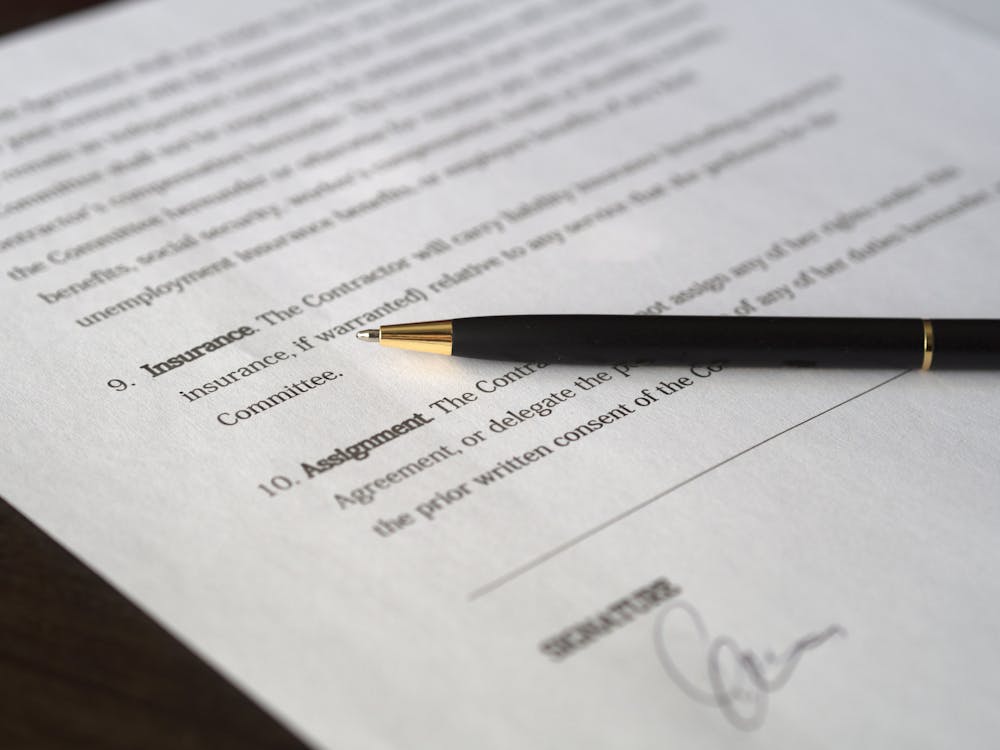
How does contract for deed work
A Contract for Deed operates quite distinctively from a standard home loan, both structurally and legally. However, its functionality is akin to a traditional loan, albeit without involving a bank. Yet, due to a lack of understanding, many individuals tend to steer clear of this arrangement.
Understanding a Contract for Deed isn’t universally common among real estate agents and loan officers. In this setup, the buyer and seller come to terms on various specifics: sale price, potential down payment, closing date, any applicable interest, contract duration, installment amounts and schedules (amortization), potential balloon payments, responsibility for taxes and insurance, among other details. Although it resembles a loan, both parties should always seek legal counsel as legal intricacies, particularly when the property has existing loans against it, can be intricate.
The closing process is notably simpler compared to a conventional real estate transaction. This simplicity stems from the absence of involvement from a bank or loan officer, eliminating underwriting processes and appraisals unless specifically requested by the buyer. Traditional closings often take 45-60 days, whereas a Contract for Deed can be finalized within 1-2 weeks at a title company. In some cases, it can occur as swiftly as within a day if both the buyer and seller opt for a swift closure, although this approach is generally discouraged.
For those unfamiliar with the workings of a Contract for Deed, seeking legal advice or collaborating with seasoned and reliable professionals is highly recommended.
Buyer benefits Contract for Deed
Why opt for buying a home through a contract for deed? Several reasons might appeal to different buyers. Some individuals face obstacles such as insufficient credit history or past financial issues, making it challenging to secure a traditional home loan. For these buyers, a contract for deed can present an attractive alternative. Despite certain drawbacks, here are several benefits for the buyer:
- Early equity building
- Ability to purchase a house without a substantial upfront capital
- Bypassing the need for traditional financing or a home loan
- Streamlined and expedited transaction process
- Flexibility in managing and planning repayments, offering negotiation possibilities for payments
- Potential for negotiating favorable terms and conditions within the contract
- Recognition of this form of ownership within legal and tax frameworks
- Easier qualification for refinancing compared to a fresh purchase later on
- Elimination of rental payments
In essence, the purchase becomes more accessible for the buyer, particularly when facing credit challenges or aiming to avoid a significant immediate investment. However, finding a seller willing to manage the contract can be challenging. Additionally, not every seller is familiar with the concept of a contract for deed, which may necessitate a considerable amount of education and explanation.
Seller benefits Contract for Deed
Selling a home via a contract for deed isn’t solely advantageous for the buyer; sellers also stand to gain several benefits from this arrangement.
- Increased pool of potential buyers
- Opportunity to command a better price
- Higher interest received compared to a savings account
- Perceived as a comparatively safer investment than the stock market (though not always the case)
- Avoidance of tenant turnover concerns
- Buyer takes responsibility for property repairs
- No requirement for a rental license
- Receipt of a down payment, an aspect absent in typical rental situations
- Simplified sale process, particularly beneficial during challenging market conditions
- Potential for tax benefits
However, not every contract for deed guarantees a mutually advantageous scenario. Seeking legal guidance or collaborating with an experienced, licensed real estate agent is strongly recommended to navigate these transactions successfully.
Contract for Deed process Minnesota
*None of the information on this site should be considered legal advice*
Contract For Deed transactions can be complicated, sloppy, and problematic if proper forms and structures are not in place. Working with an investor that practices these services daily helps, if doing a contract for a deed deal public to the public, having an attorney review docs is not a bad idea. Most clients we serve via Contract For Deed Minnesota don’t need the intervention of a 3rd party reviewer/lawyer, but clients should know that is an option they have. If you need a lawyer/attorney referral please advise.
There are 3 Transactions to be aware of during the deal.
1st Transaction: Investor & Seller (Investor makes an offer based on terms the client provides. Investor buys a home from the seller.)
2nd Transaction: Investor & Contract For Deed Client (Same day as Transaction 1, after the investor purchases a home from a seller, the investor will sell back to the client via contract for deed.
3rd Transaction: Investor & Contract For Deed Client (Once the client is in a position to refinance/buy out the Contract For Deed, the client will purchase again via financing.
mn contract for deed
Search Contract for Deed Homes in
MN by County
Discover your dream MN Contract for Deed home today by searching 100’s of homes in our top counties. Find the perfect home and request more information or a showing today.

Access our Anoka County Contract for Deed MN homes inventory today

Access our Carver County Contract for Deed MN homes inventory today.

Access our Dakota County Contract for Deed MN homes inventory today

Access our Hennepin County Contract for Deed MN homes inventory today

Access our Ramsey County Contract for Deed MN homes inventory today

Access our Scott County Contract for Deed MN homes inventory today

Access our Washington County Contract for Deed MN homes inventory today

Access our Wright County Contract for Deed MN homes inventory today